Key Takeaways
- Heavy-weight fabrics photograph better. They hold shape. Create depth. Don’t fall apart under high-res lighting.
- Thickness = presence. Heavier fabrics bring structure without loud graphics.
- Thin fabrics don’t survive scrutiny. In 4K shoots, flimsy materials look cheap, wrinkled, or disposable.
- High-res content has changed streetwear standards. Clothes now have to look good up close, paused, and replayed.
- Comfort now includes visual impact. Creators are balancing wearability with how strong a piece looks on screen.
Scroll through any high-res fashion shoot right now, and one thing jumps out immediately: thickness. Not just in silhouettes, but in fabric. Heavy-weight tees that hold their shape. Hoodies that drape instead of cling. Jackets that look like they could survive a decade of wear and still photograph like day one.
Creators aren’t chasing softness alone anymore. They’re chasing presence. And heavy-weight fabrics deliver in a way that lighter materials just can’t. Especially when every crease, seam, and shadow is being captured in 4K!
This isn’t about being bulky for the sake of it. It’s about clothes that show up on camera the way they do in real life.
Why Heavy-Weight Fabrics Just Hit Different on Camera
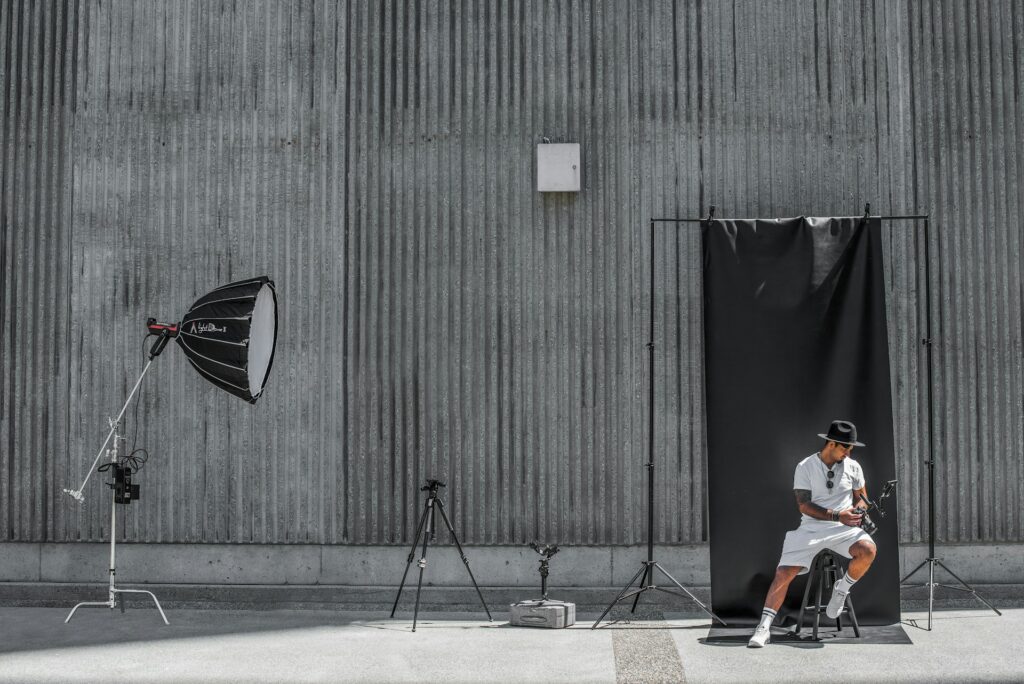
High-resolution shoots are unforgiving. They expose everything: cheap blends, flimsy knits, fabric that pills after one wash. What used to slide by on low-res Instagram now looks flat, wrinkled, or overly shiny.
Heavy-weight fabrics solve that. They create structure. They cast deeper shadows. They give garments visual authority. When a tee sits heavier on the shoulders, or a hoodie falls cleanly rather than collapsing, the camera reads it as intentional rather than accidental.
Creators know this. That’s why more shoots are leaning into pieces that don’t move too much, don’t cling, and don’t look disposable.
Read: Why Tinted Lip Balms Are Becoming Everyone’s Everyday Essential
The Rise of the ‘Real’ Tee (And Why It’s Never Thin)
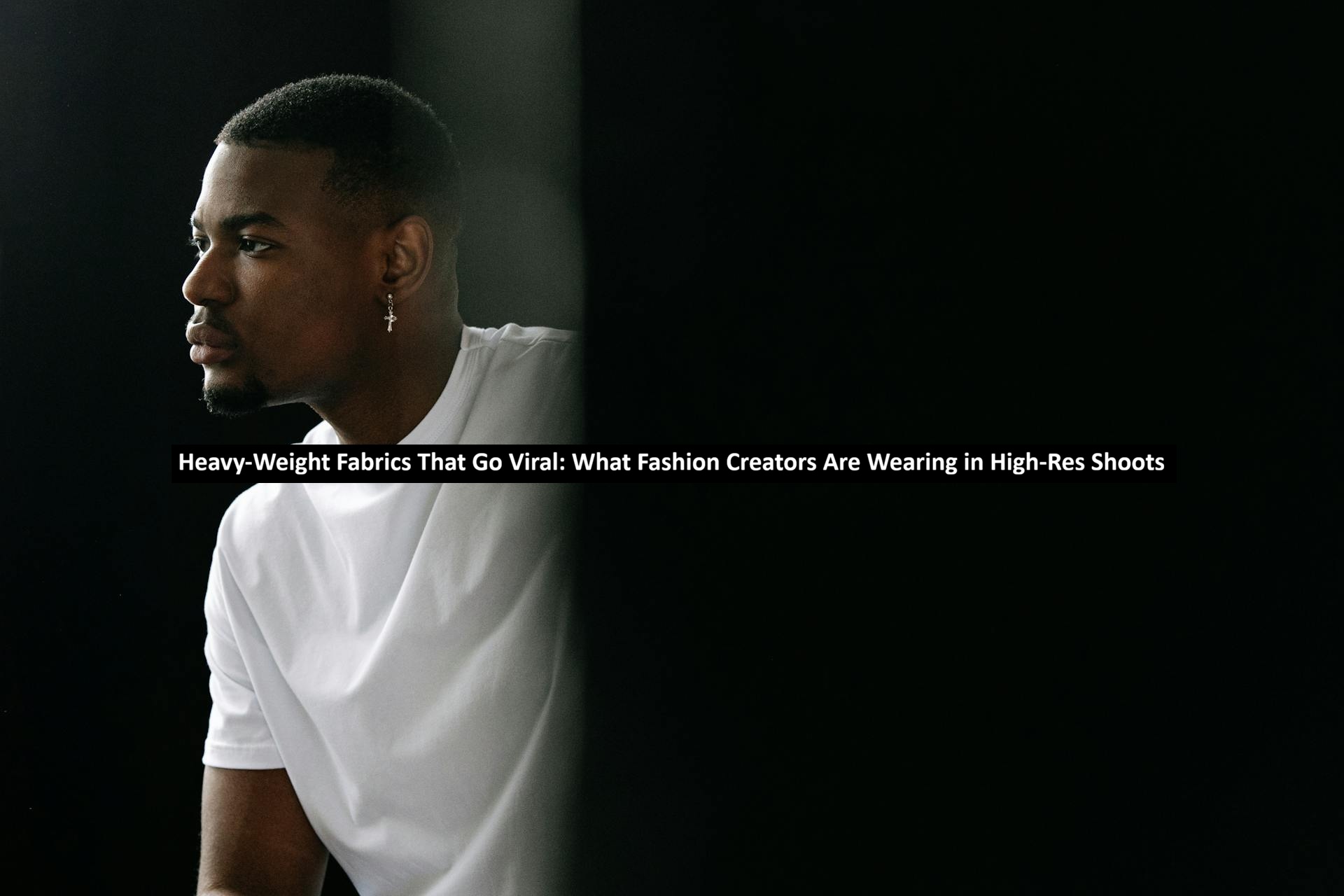
Let’s talk tees. Because if there’s one item where weight matters most, it’s the T-shirt. The viral tee right now isn’t paper-thin. It’s boxy, dense, and slightly stiff when new. Think 220-280 GSM cotton. The kind that feels substantial when you pick it up. The type that holds a clean neckline and doesn’t twist after two wears.
On camera, heavier tees:
- Keep their shape through movement
- Sit better under layers
- Show off graphics and prints without warping
That’s why creators styling minimalist shoots using plain backgrounds and sharp lighting are almost always wearing thicker tees. The fabric does half the work.
Hoodies That Look Expensive Without Trying
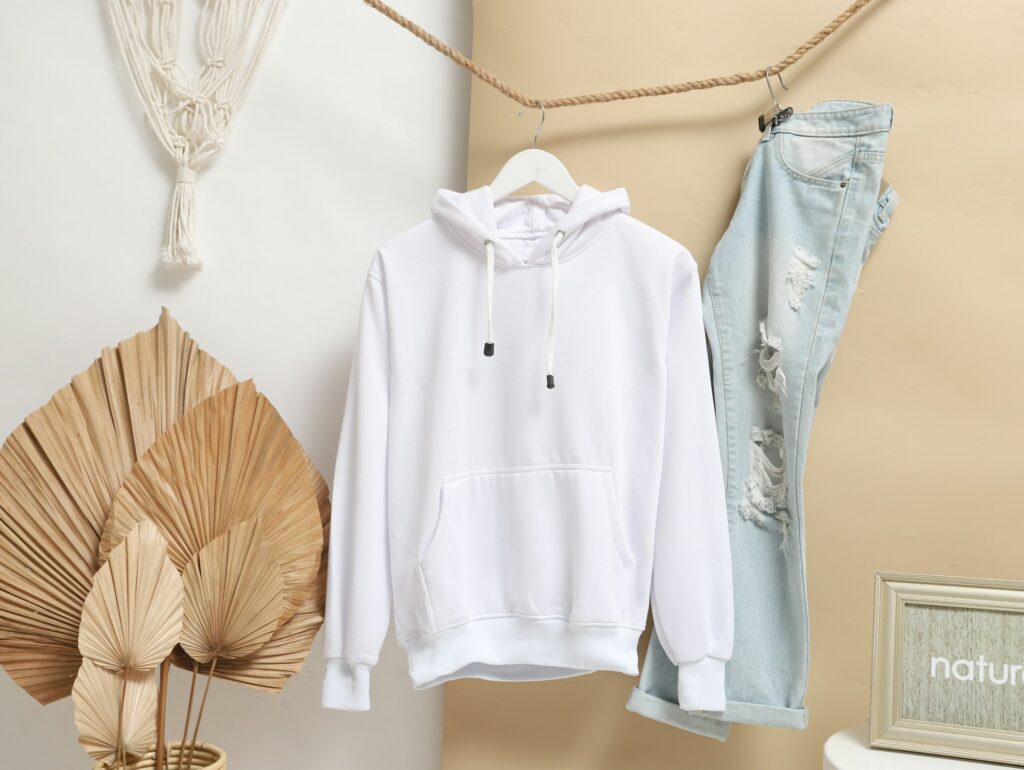
A lightweight hoodie can feel cozy. But it rarely looks premium on camera. Heavy-weight hoodies, though, photograph like outerwear. Thick fleece or loopback cotton creates depth in folds. The hood stands upright rather than flopping. Sleeves stack naturally rather than bunching.
These pieces don’t scream for attention. They exist confidently in the frame. Which is exactly why they go viral.
Jackets That Feel Built, Not Styled
High-res shoots love clothes that look like they have a backstory. Heavy-weight jackets: canvas, denim, wool blends, bring that instantly. A sturdy fabric gives the impression of utility, even if the piece is purely aesthetic. You see this a lot in creator shoots that mix streetwear with workwear or military references.
Thick fabrics also age better on camera. Creases look intentional. Texture reads as character, not wear-and-tear. Because these materials don’t collapse, they create stronger silhouettes from every angle.
Fabric Weight = Trust
There’s a subconscious thing happening when people see heavyweight fabrics in shoots: they trust the garment more.
It looks like it costs more. Looks like it’ll last longer. Looks like something you would keep wearing instead of switching out the next season. Creators get that. That’s why even ‘simple’ outfits in shoots feel elevated. The fabric is doing the heavy lifting (literally).
High-Resolution Has Changed What ‘Good’ Means
Before, a good outfit just had to look good at a glance. Now it has to survive:
- Zoom-ins
- Screenshots
- Cropped reels
- Ultra-sharp lighting
Heavy-weight fabrics hold up under scrutiny. You can zoom into the weave, the stitching, the ribbing, and it still feels intentional. This has quietly changed the standards of streetwear content. Thin fabrics feel like shortcuts now. Heavier ones feel honest.
Creators Aren’t Dressing for Comfort Alone Anymore

Comfort still matters. But creators now prioritize visual weight alongside physical comfort. A thick tee might feel warmer. A heavy hoodie might feel less flexible. But the payoff is presence. And presence is currency in content. The most shared looks right now aren’t flashy. They’re grounded. Neutral colours. Solid fabrics. Pieces that don’t need styling tricks to look strong.
Why Heavy-Weight Fabrics Are Here to Stay
This isn’t a trend that fades easily. It’s tied directly to how fashion is consumed now. Through lenses, screens and endless replays. As long as creators are shooting in high-res, heavy-weight fabrics will dominate because they:
- Photograph better
- Feel more intentional
- Signal quality without logos
Streetwear blanks have always been about substance over polish. Heavy fabrics fit that philosophy perfectly. And in a world where everything is content, sometimes the most viral thing is a garment that simply holds its ground.